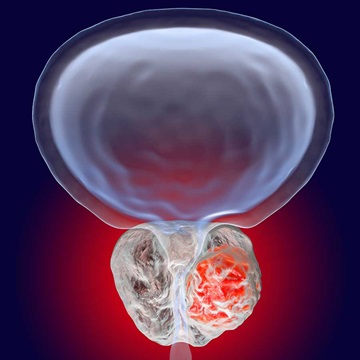
A new study shows that focal therapy, which destroys only the cancerous part of the prostate, is effective in delivering long term outcomes for patients, according to a new study.
Focal therapy is a targeted and minimally invasive treatment for prostate cancer, and this new study, supported by National Institute for Health and Care Research (NIHR) infrastructure is the largest of its kind. It reveals that ten years after focal therapy treatment, only 2 men out of nearly 3,500 in the study had died from prostate cancer. This very low mortality rate matches prostatectomy surgery and radiotherapy.
Far Fewer Side Effects
Around half to two-thirds of these localised cancers are suitable for focal therapy – that’s up to 15,000 men per year in the UK. Focal therapy leads to a five-fold lower risk of side effects such as incontinence, erectile dysfunction and rectal problems compared to traditional radiotherapy or surgery because it only targets the areas of cancer. This minimises damage to healthy prostate tissue and those nerves and muscles next to the prostate which control urinary and sexual function.
In this new study, the Imperial team worked with 14 hospitals across the UK to follow 3,477 men who had received focal therapy using a heat-based treatment (high intensity focused ultrasound, also known as HIFU) or a freezing-based treatment (cryotherapy) between 2004 and 2024. They discovered focal therapy effectively controlled prostate cancer, even in higher risk disease:
- Nine in ten men had intermediate or high-risk cancer – cancers that should not just be monitored, but should be treated
- Ten years after treatment, just two men across the study had died from their prostate cancer (0.1%) and three in 100 (3%) had seen their cancer spread outside the prostate. These rates are similar to rates seen with surgery or radiotherapy treatment
- One in three men needed further treatment, with some men choosing to have radical prostatectomy or radiotherapy even though they could have had further focal therapy. Out of those men who had two sessions of focal therapy, only one in ten needed to have prostatectomy or radiotherapy due to a persistent cancer. In comparison, 15-30% of men with similar prostate cancer risk who undergo prostatectomy or radiotherapy have cancer that recurs.
For more information, click here.